01
Structure OPTIMIZATION
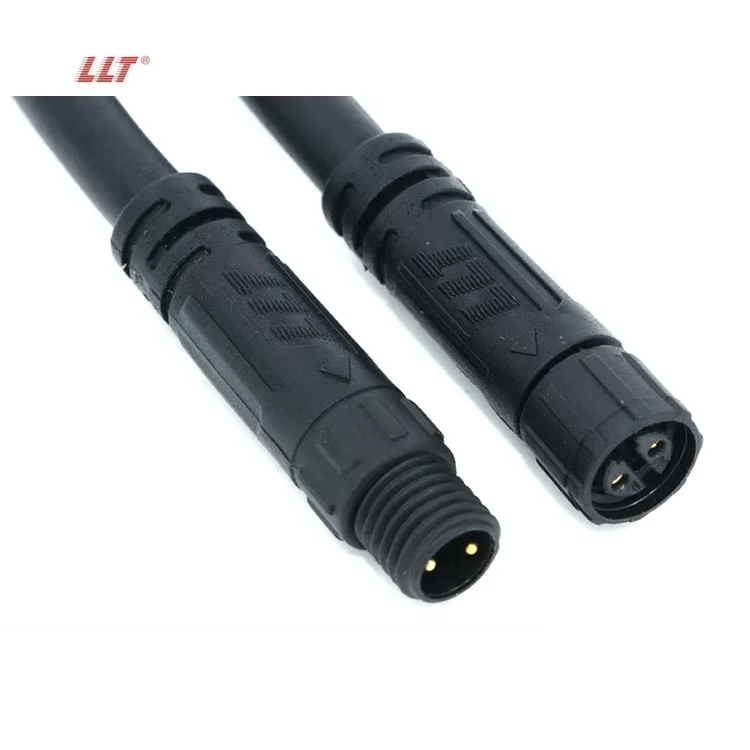
Threaded M8 waterproof connector with reinforced sealing and overmold structure
The LLT M8 waterproof connector is designed around a threaded circular connector architecture that prioritizes stable mating force, controlled sealing compression, and robust interface retention. The threaded coupling structure does more than secure the connector mechanically. It helps maintain repeatable seal pressure at the mating interface, reduces the risk of accidental loosening under vibration, and improves long-term environmental consistency in outdoor equipment. A second key area is sealing path design. A reliable waterproof connector must control every potential moisture entry route, including the mating face, cable outlet, rear cavity, and interface transitions between housing materials. The LLT M8 circular connector concept is strengthened by a multi-point sealing strategy, where each sealing interface is designed to prevent capillary ingress, pressure-driven moisture migration, and contamination intrusion during thermal cycling. In demanding environments, this kind of sealing discipline is often more important than the nominal IP rating alone.