Docking Connector for Energy Storage Systems | LLT Connector
LLT Connector
Request a Quote
Docking Connector | Energy Storage
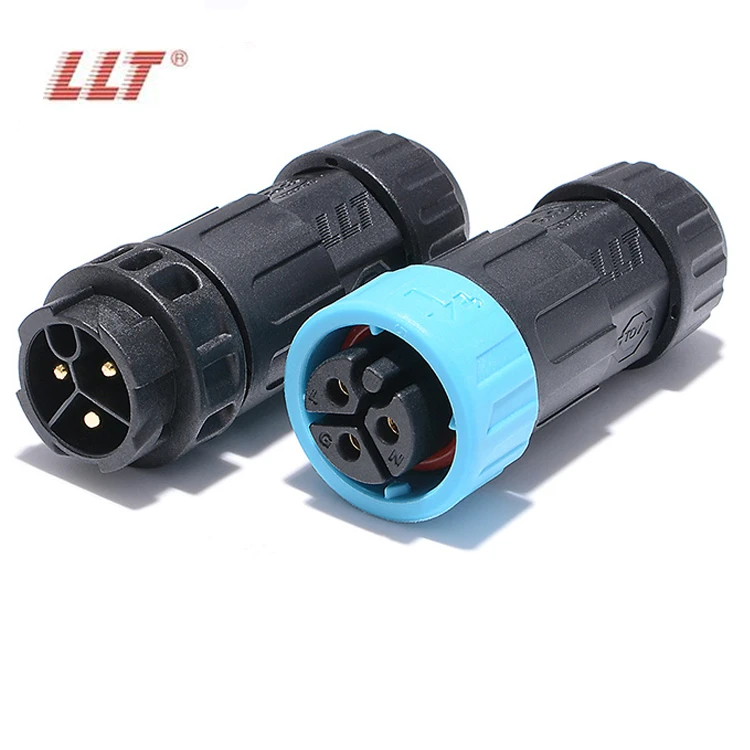
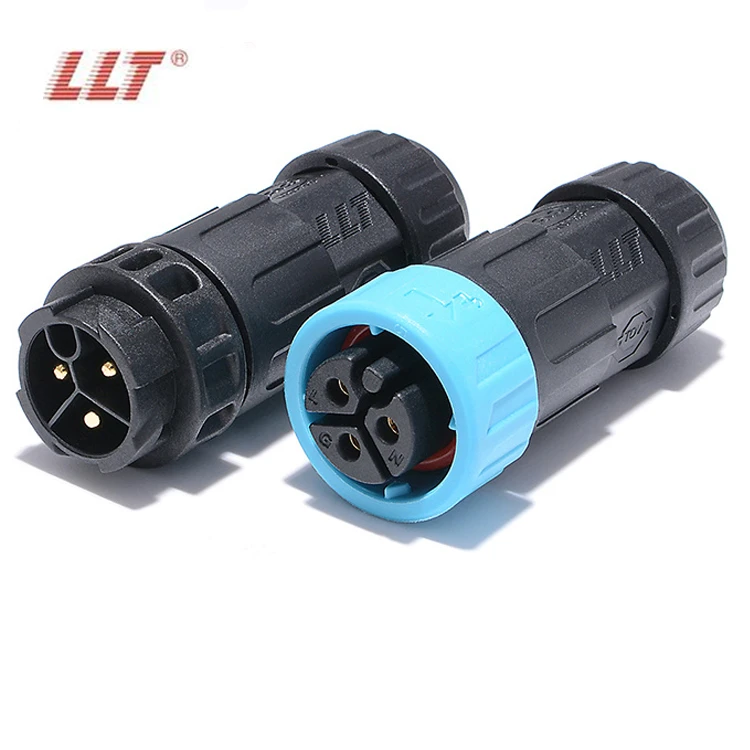
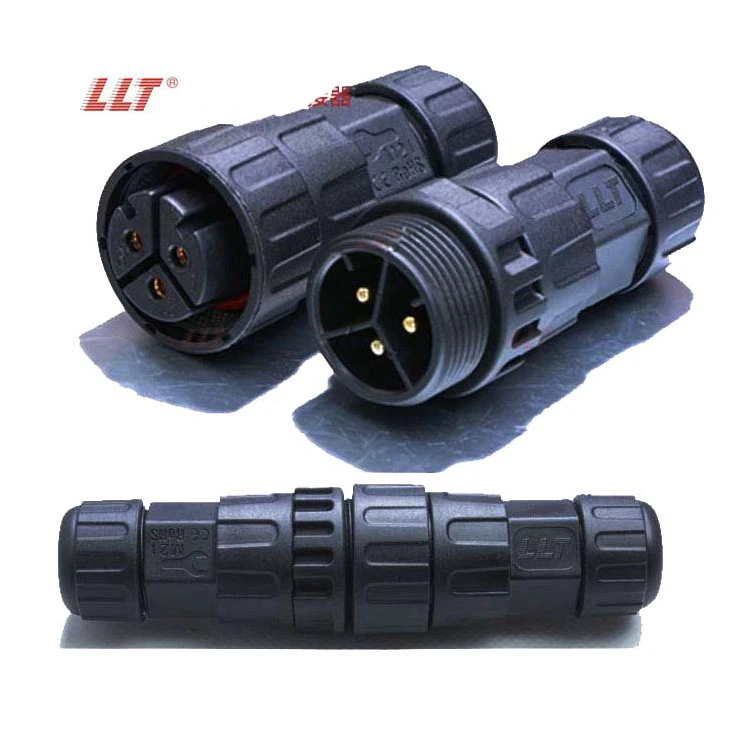
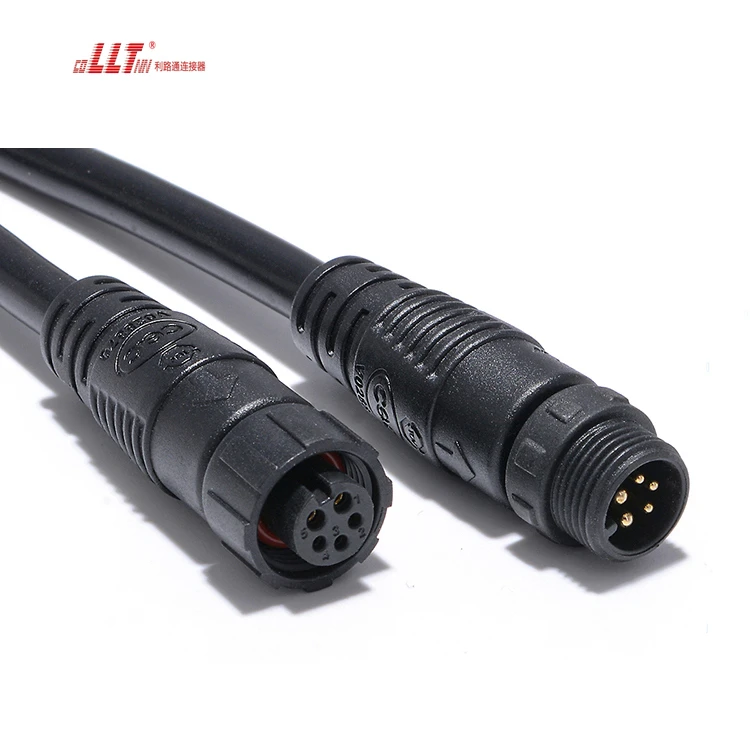
Docking Connector Solutions for Energy Storage Systems
LLT Connector develops high-reliability docking connector solutions for energy storage systems where stable power transmission,
repeated mating cycles, environmental sealing, vibration resistance, and compact integration are all critical to long-term system performance.
From battery pack interfaces and BESS cabinets to PCS, inverter, and control unit connections, our docking connector portfolio is designed
to support demanding industrial energy storage applications that require secure engagement, low maintenance, and dependable electrical continuity.
If you are sourcing a docking connector for energy storage equipment, LLT Connector can help you evaluate connector architecture, sealing strategy,
contact stability, mechanical retention, and customization feasibility for your specific system platform.
Talk to LLT Connector

What Is a Docking Connector in Energy Storage Applications?
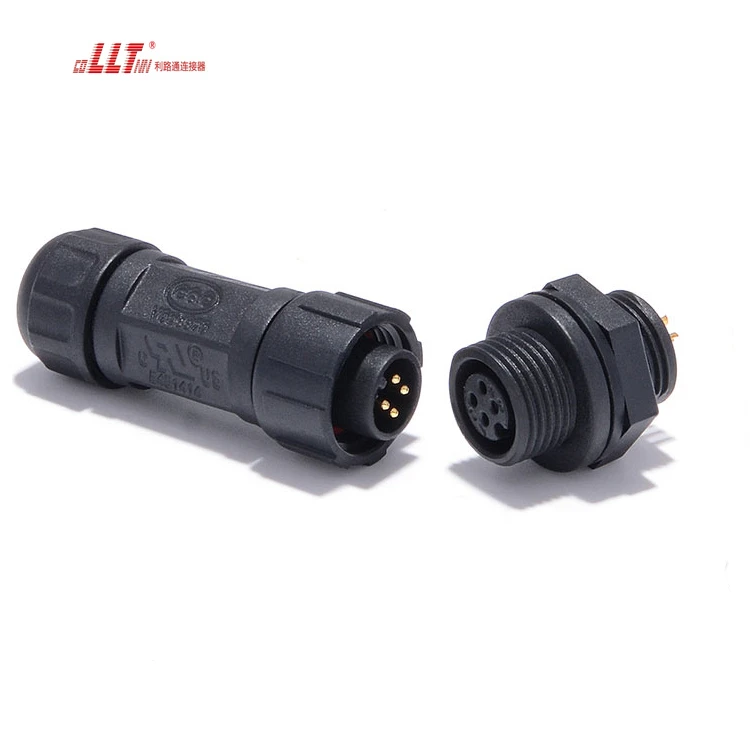
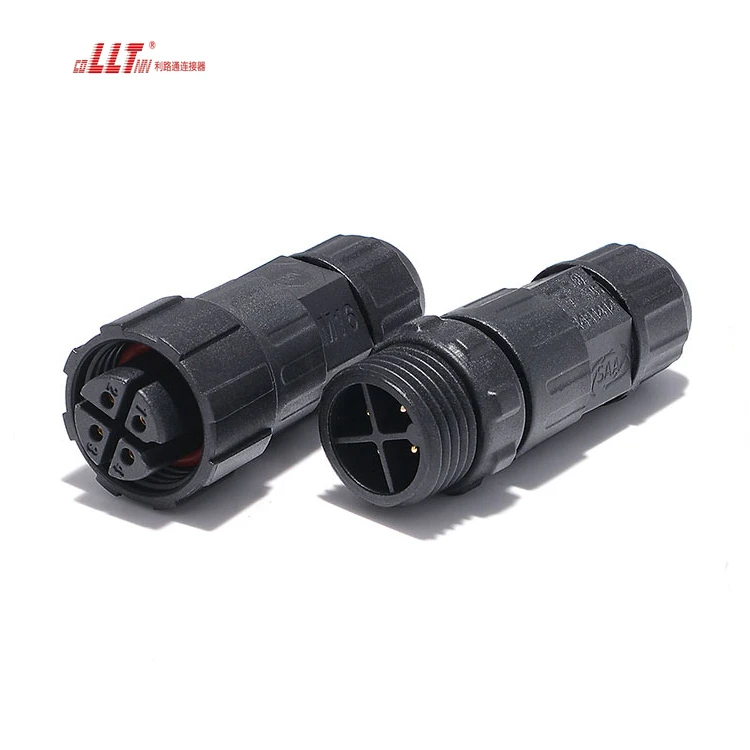
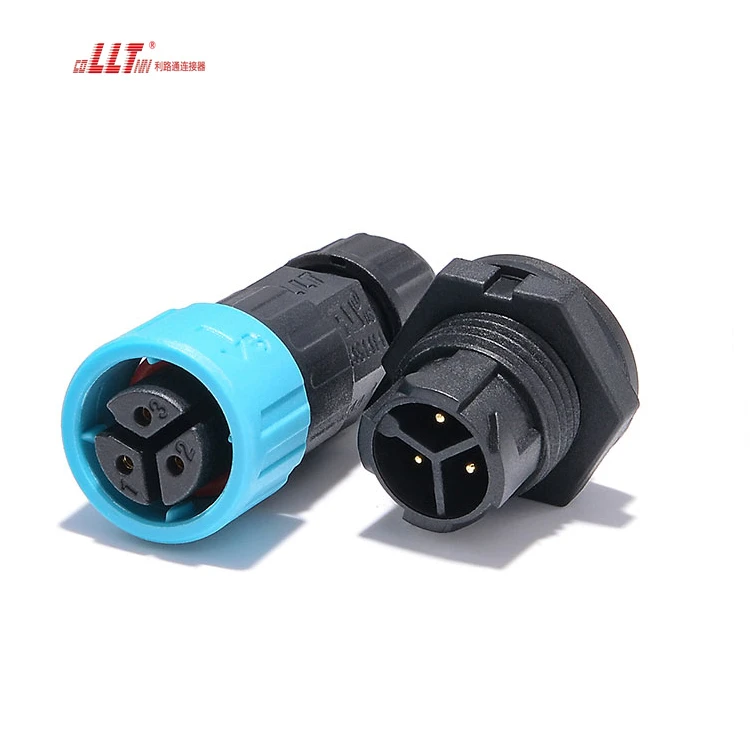
A docking connector is a connector interface designed to support fast, repeatable, and secure mating between two system sections.
In energy storage equipment, a docking connector is often used where module-level assembly, cabinet integration, power and signal transfer,
or service replacement requires accurate alignment and robust electrical contact under repeated use.
Compared with generic connector interfaces, a docking connector for energy storage systems typically needs stronger tolerance control,
more reliable contact engagement, better resistance to vibration and shock, and a connector structure that supports safe operation
in industrial environments with dust, humidity, thermal cycling, and mechanical stress.
This is why connector selection for energy storage should never focus on current rating alone. A practical docking connector solution
must balance electrical performance, mechanical retention, environmental protection, serviceability, and long-term reliability.
Why LLT Connector for Docking Connector and Energy Storage Projects?
Built Around Real Industrial Constraints
LLT Connector focuses on connector design for industrial and harsh-environment applications where field reliability matters.
For energy storage projects, this means connector solutions that consider sealing, mating stability, anti-vibration performance,
assembly efficiency, and lifecycle consistency from the beginning.
Support for Power and Signal Integration
Energy storage systems often require both power transmission and signal/control connectivity within limited installation space.
Our docking connector solutions can be evaluated for mixed-interface requirements, helping system designers simplify integration
while maintaining clear functional separation and dependable connection integrity.
Adaptable for Custom Project Requirements
Different energy storage platforms have different enclosure structures, mating paths, current loads, maintenance strategies,
and environmental targets. LLT Connector supports project-specific discussion on connector size, layout, keying, waterproof structure,
cable exit, panel mounting, and other design variables needed for customized docking connector development.
Designed for Long-Term Service Reliability
In energy storage systems, connector failure can affect uptime, maintenance cost, and field safety. Our approach prioritizes
repeatable manufacturing, stable contact performance, and connector designs suited for applications where frequent service intervention
is not desirable.
Key Performance Priorities for a Docking Connector for Energy Storage
Mechanical Alignment and Secure Mating
A high-quality docking connector should maintain precise guidance during insertion and stable retention after engagement.
This helps reduce contact instability, accidental disengagement, and uneven wear during repeated mating cycles.
Environmental Sealing
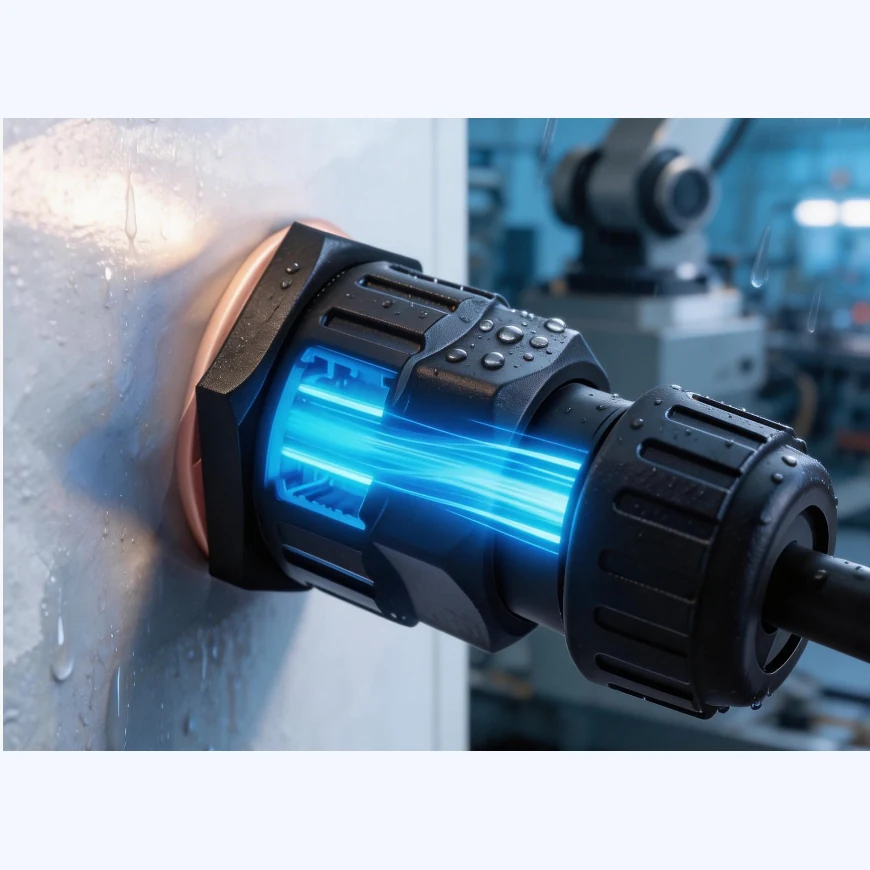
For outdoor or semi-protected energy storage installations, connector sealing performance is essential. Waterproof and dust-resistant
connector design helps protect electrical interfaces from contamination and moisture ingress.
Vibration and Shock Resistance
Energy storage equipment may experience transport vibration, cabinet movement, fan-induced vibration, or structural load transfer.
A reliable docking connector should sustain contact stability under these conditions.
High Mating Cycle Capability
Where modular replacement, assembly verification, or maintenance access is required, the docking connector should support repeated
connection cycles without rapid degradation in mechanical feel or electrical consistency.
Electrical Continuity and Contact Reliability
Connector performance in energy storage is closely tied to contact stability, interface cleanliness, and resistance control.
Good connector architecture helps maintain dependable transmission for both power and critical signal circuits.
System-Level Integration Efficiency
In practical energy storage design, connector choice affects assembly time, routing complexity, replacement convenience,
and enclosure layout efficiency. The right docking connector contributes to cleaner system integration.
Typical Applications of Docking Connector Solutions in Energy Storage
Battery Energy Storage Systems (BESS)
Docking connector solutions can support modular cabinet architecture, subsystem interfacing, and service-friendly connection points
in BESS deployments.
Battery Pack and Module Interfaces
In pack-level design, a docking connector can help improve connector repeatability, installation control, and structured mating
between replaceable units.
PCS and Inverter Connectivity
Energy storage power conversion systems often require stable electrical interfaces under compact installation conditions,
making connector design and docking behavior important to overall reliability.
Industrial Energy Storage Equipment
For industrial environments where downtime carries high cost, connector reliability, serviceability, and environmental resistance
become major selection criteria.
What LLT Connector Can Help You Evaluate
- Connector form factor: compact layout, panel interface, module docking path, and available installation envelope
- Electrical requirements: power, signal, hybrid circuits, insulation needs, and interface stability expectations
- Mechanical requirements: insertion guidance, retention force, anti-misalignment features, and service cycle targets
- Environmental requirements: waterproof level, dust protection, thermal exposure, and corrosion-related conditions
- Project customization: pin count, connector shell concept, keying logic, cable or panel structure, and branding requirements
Docking Connector Engineering for Harsh and Demanding Energy Storage Environments
Modern energy storage systems are expected to operate with high reliability across varying temperatures, installation environments,
and maintenance conditions. Connector selection therefore has a direct influence on system robustness, ease of assembly, and lifecycle stability.
LLT Connector approaches docking connector development with attention to connector geometry, sealing path design, interface protection,
and consistent engagement behavior. This makes our solutions relevant for customers looking for a docking connector partner rather than
only a catalog component supplier.
Whether your project requires a standard docking connector or a customized connector strategy for energy storage equipment,
our team can help align connector design with practical application demands.
Frequently Asked Questions About Docking Connector and Energy Storage Applications
What makes a docking connector different from a standard connector?
A docking connector is usually designed for guided, repeatable, and secure mating between system sections.
In energy storage equipment, this often means better alignment behavior, stable retention, and a stronger focus on repeated service use.
Why is a docking connector important in energy storage systems?
Energy storage systems often involve modular structures, compact installation spaces, and strict reliability requirements.
A suitable docking connector can improve assembly efficiency, connection stability, and maintenance convenience.
Can LLT Connector support customized docking connector requirements?
Yes. LLT Connector can discuss project-specific requirements such as connector size, pin layout, waterproof structure,
mounting method, keying, and other application-oriented design needs.
Are LLT Connector docking connector solutions suitable for harsh industrial environments?
They are developed with industrial-use conditions in mind, especially where connector sealing, vibration resistance,
and long-term reliability are important evaluation factors.
Need a Reliable Docking Connector for an Energy Storage Project?
Contact LLT Connector to discuss your energy storage connector requirements, application constraints, and customization goals.
We can help you assess the right docking connector direction for your system.
Request Technical Support
© 2026 LLT Connector. Docking connector and energy storage connector solutions for industrial applications.