
Solutions

Industrial Robotics

Industrial robot connector solutions for dynamic motion and high uptime requirements.

Robotic systems stress connectors through constant articulation, limited routing space, and mixed signal-power architecture. Selection must prioritize motion reliability and service speed.

Suitable for robotic joints, end effectors, and control modules Built for motion-related durability and service planning
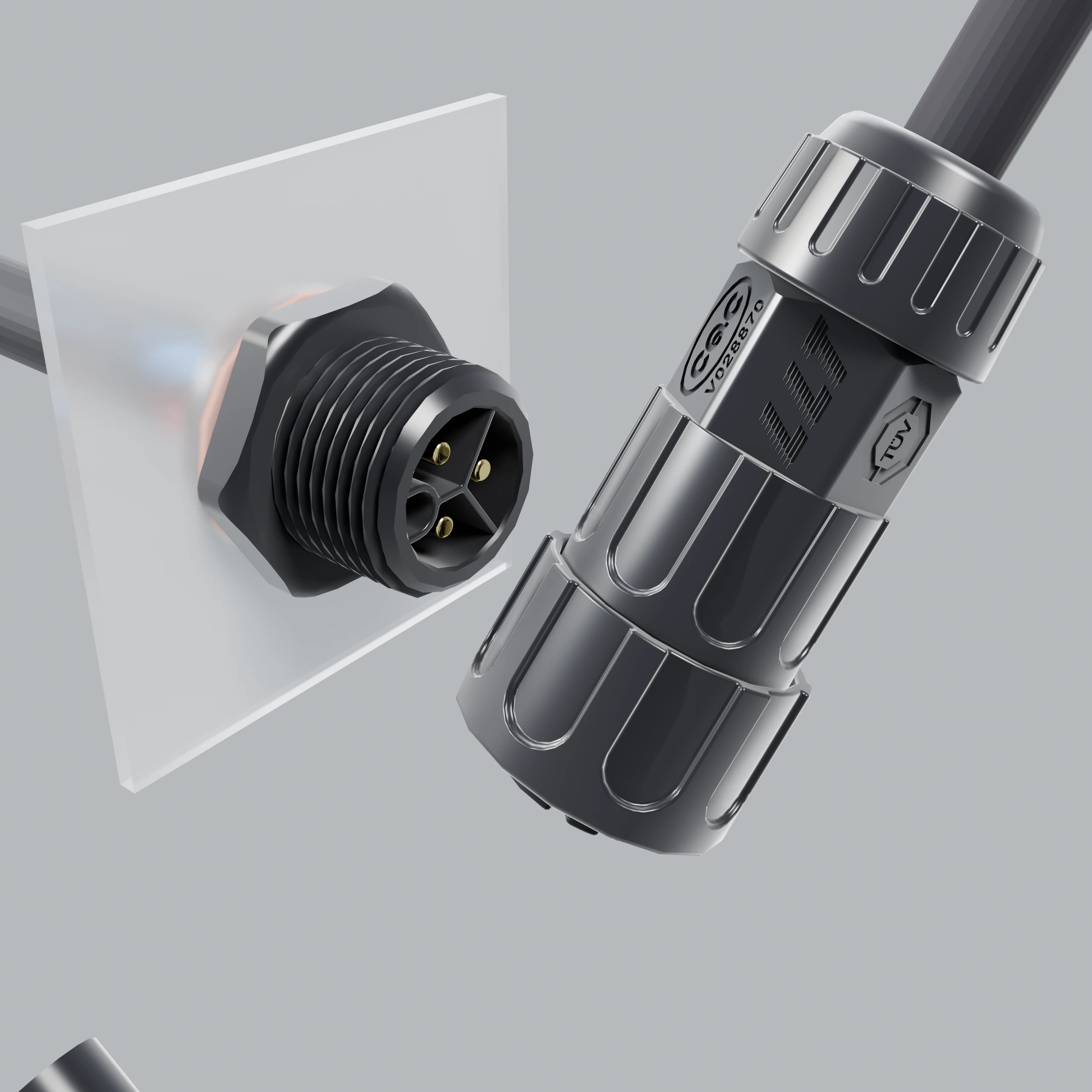
Robot connector and cable harness solution
01 Dynamic

Operating mode

02 Dense routing

Packaging

01

Dynamic

Operating mode

Repeated motion can accelerate mechanical wear.

02

Dense routing

Packaging

Space and bend behavior matter.

03

Serviceable

Maintenance

Replacement speed can influence uptime.

Dedicated Sales Contact

Company Contact

Company Contact
01

Application Demand

Robot platforms require connectors that survive repetitive motion and compact mechanical envelopes.

From end-effector tools to controller interfaces, robot wiring must tolerate bending and vibration while keeping clear installation logic for commissioning and maintenance.

  • Define motion radius and cable-path stress zones early.
  • Separate critical signal lines from high-current routing where possible.
  • Plan connector access for quick replacement and reduced downtime.
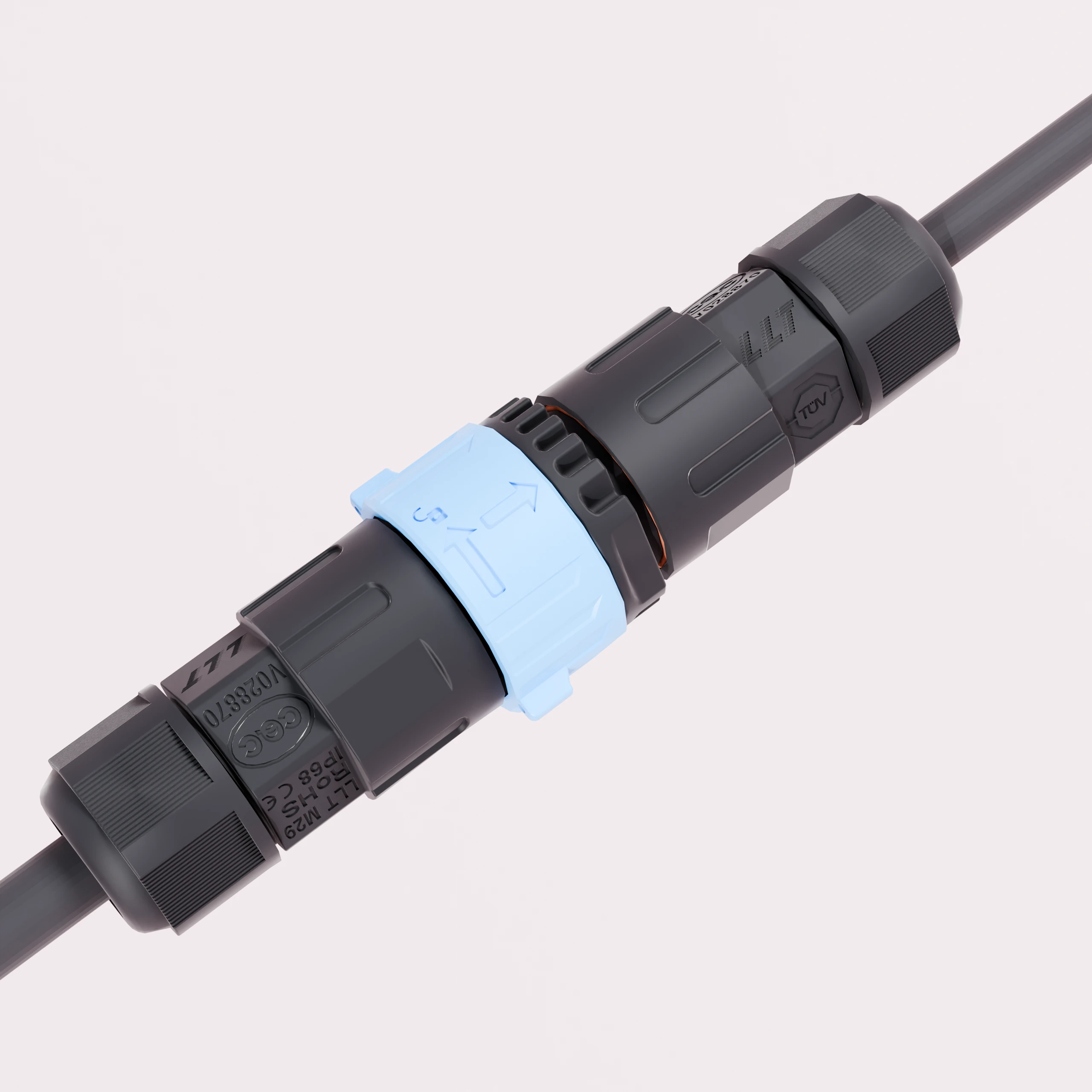
Robot cable harness routing
02

Connector Challenge

The biggest risks are motion-fatigue failure, lock instability, and harness-routing conflict.

When connector geometry, cable type, and routing strategy are evaluated separately, uptime risk increases. Joint-level conditions require integrated mechanical and electrical planning.

  • Review mating retention under continuous vibration and movement.
  • Control cable routing and bend radius near rotating axes.
  • Coordinate harness strain relief with tool-side installation limits.
Robot connector integration concept
03

Recommended Direction

Adopt motion-oriented connector architecture with harness integration and validation discipline.

A robust robot solution links connector family choice to harness build rules and lifecycle validation. This creates repeatable quality from sample through production release.

  • Select compact multi-pin interfaces aligned with routing density.
  • Integrate harness and overmold details before pilot runs.
  • Validate cycle behavior, contact stability, and service-side replacement time.
Contact LLT for robot connector projects

Why Robot Teams Reference This Page

It aligns connector decisions with uptime targets and real mechanical constraints.

01

Clarifies dynamic-motion reliability priorities.

02

Connects architecture choices to serviceability outcomes.

03

Supports faster technical alignment during RFQ and prototype review.

Need robotics connector or harness guidance?

Send your movement profile, routing constraints, and tool-side requirements to LLT Connector.

Review Robotics Integration