Product Family

Automotive Connectors

Automotive Connectors page for engineering and procurement teams evaluating sealed automotive-side connectors for auxiliary power, vibration resistance, and compact vehicle-mounted routing. Use this landing page to compare the published product range, understand installation direction, and move into RFQ review with clearer technical boundaries.

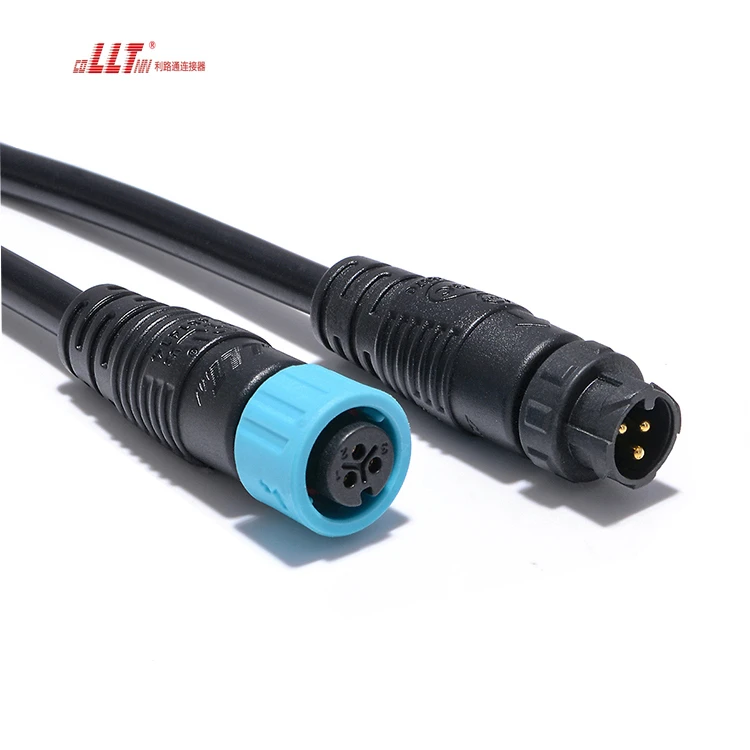
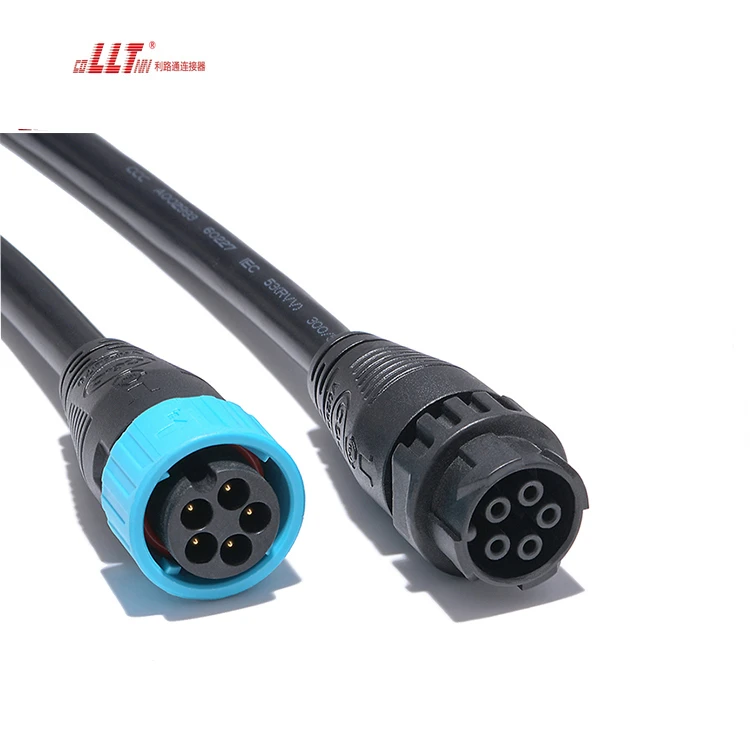
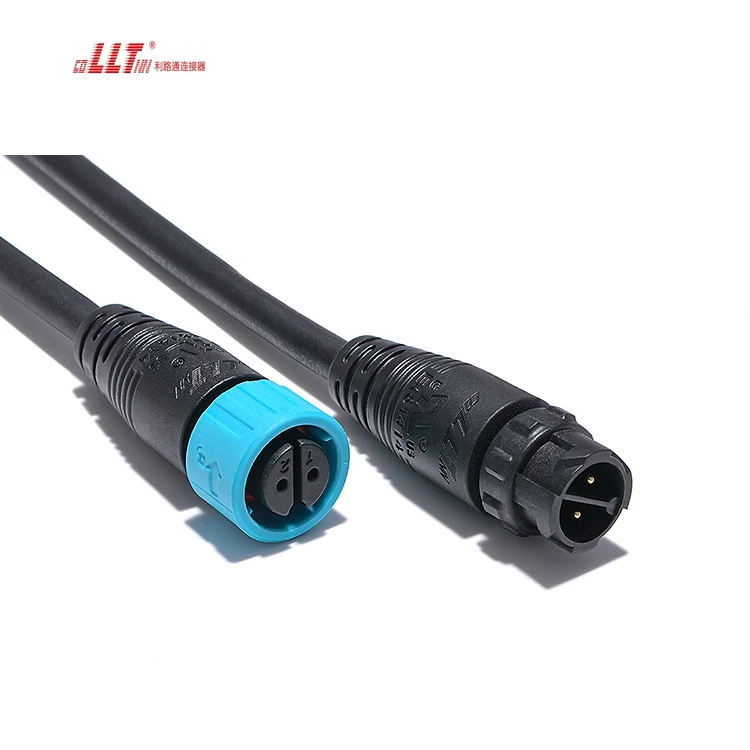
The current catalog includes 4 published references across M12, M25, M16, M19 series and Push-Lock structures. Review the featured products and filters below to narrow the right family before requesting drawings, pricing, or cable-assembly support.
Selection directions for Automotive Connectors

Narrow the intent to equipment-side automotive use

Focus on compact auxiliary and mobility connector needs rather than every automotive connector standard.

Vehicle vibration and pull-force behavior

Connector retention and harness strain relief should be reviewed under real shock and road vibration.

Compact packaging

Automotive-side connectors need enough sealing and service margin without blocking installation in tight spaces.

Application scenario

Electric motorcycles, auxiliary vehicle modules, and compact mobility systems.

Application scenario

Vehicle-mounted low-voltage power or signal interfaces exposed to splash, vibration, and repetitive servicing.

Related solutions and industries

Connect this family to environment-driven pages so buyers can move from application problem to connector architecture faster.

Related product families

Use adjacent family pages to compare mounting style, electrical range, and installation method.

Filter products in Automotive Connectors

Start with the published references in this family, then narrow by structure, electrical rating, and cable fit.

FAQ

How should engineers shortlist Automotive Connectors?

Start with environment exposure, sealing target, lock structure, enclosure or cable interface, and service method. Then compare the published Automotive Connectors references below by series, structure type, and application fit before RFQ.

Which specifications matter first for Automotive Connectors?

Review ingress protection, current and voltage window, pin or interface layout, and installation method together. This family already includes references around IP65/IP67. Current examples in the published range include 10A. Termination methods such as By molding should also be checked against assembly and service conditions.

Can LLT support cable assembly, overmolding, or panel adaptation for Automotive Connectors?

Yes. LLT can support connector selection together with cable exit direction, overmold planning, panel fit review, and related harness discussion when the project requires more than a catalog-only comparison.