This page targets high-intent custom development searches and demonstrates a practical engineering workflow that increases trust and conversion quality.
Closed-Loop Development Workflow
Each step is connected through feedback and verification, forming a complete custom engineering loop.
-
1
Use Scenario Confirmation
Define actual installation and application conditions.
-
2
Electrical Parameter Confirmation
Confirm current, voltage, signal, and interface targets.
-
3
Protection Parameter Confirmation
Define sealing and environmental resistance objectives.
-
4
Structure Design
Output connector structure concept and interface geometry.
-
5
Simulation and Review
Run simulation and internal review; iterate if necessary.
-
6
Customer Project Review
Review structure and risk points with customer engineering team.
-
7
Printed Validation Part
Validate structure and installation assumptions before mold release.
-
8
Mold Confirmation and Assembly
Release mold path and assemble molded connector products.
-
9
Baseline Performance Tests
Execute mechanical, electrical, and protection tests by checklist.
-
10
Delivery or Iterative Correction
Deliver with report; if issues remain, return to iteration loop.
Custom Project Process Summary
LLT Connector treats customization as a managed engineering workflow, not an ad-hoc modification task.
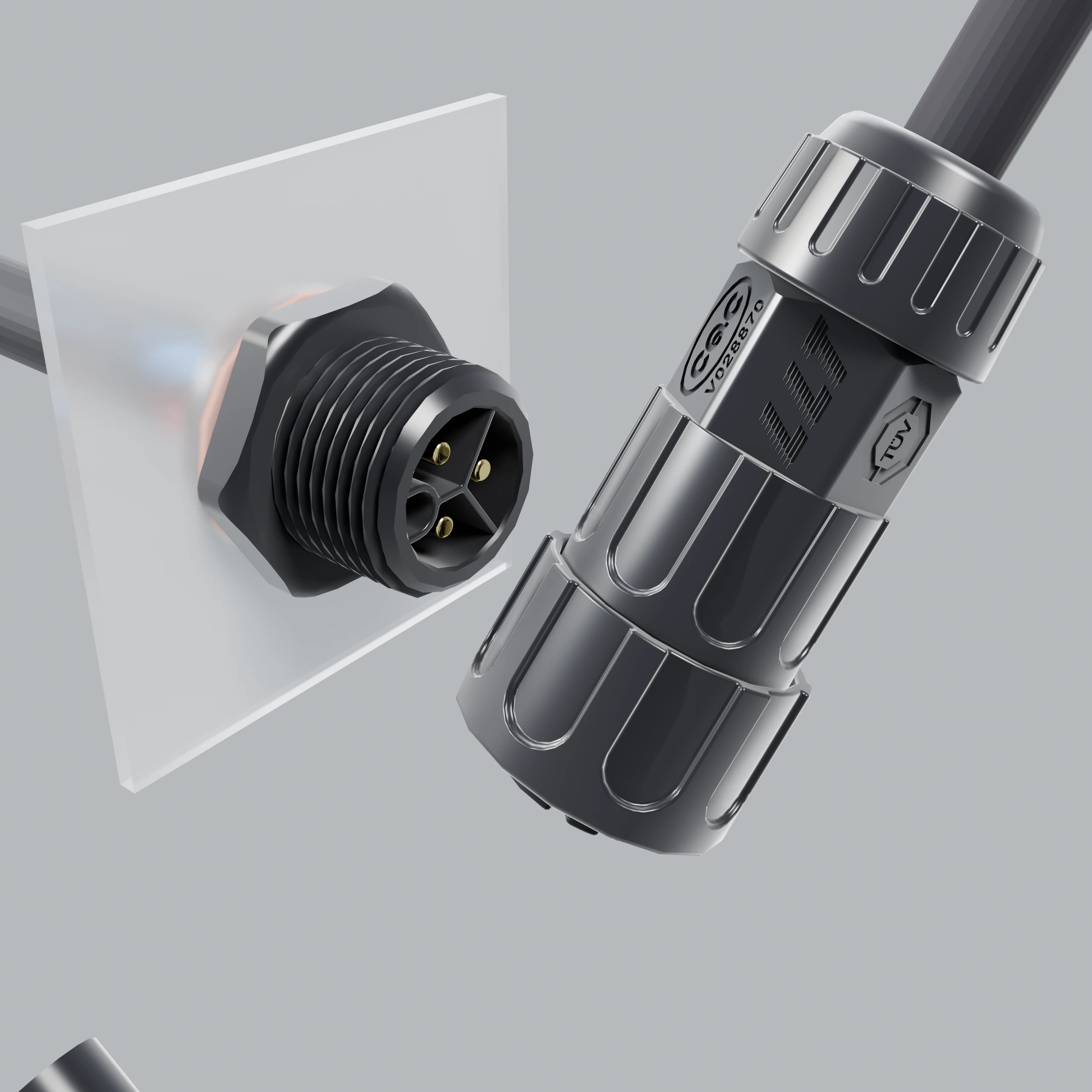
This process model is suitable for waterproof connector, circular connector, electrical connector, cable connector, and cable harness custom programs requiring traceable execution.
Nested Closed-Loop Flow Architecture For Custom Project Development Flow
The following process maps are written as layered, auditable logic so technical teams can follow requirement-to-delivery closure without ambiguity.
Flowchart A - Custom Project Development Closed Loop
Stage A: Requirement and Parameter Definition
1. Use-case confirmation
Confirm operating scene, installation orientation, service cycle, environmental load, and maintenance constraints before design commitments.
- Environment mapping
- Mounting interface definition
- Lifecycle expectation baseline
2. Parameter package confirmation
Translate electrical, sealing, and structural requirements into parameterized values that can be used by simulation and process teams.
- Current and voltage window
- IP class and material boundaries
- Tolerance and mating interface targets
Stage B: Structure Design and Validation
1. Design architecture
Release structural concept with connector geometry, pin map, cable routing, and assembly interface definition.
- Connector-body architecture
- Terminal and pin layout
- Assembly direction and service access
2. Simulation and internal review
Execute FEA, thermal and vibration checks, then review model assumptions and risks in cross-functional engineering meetings.
- Contact resistance and thermal model
- Insertion and vibration stress validation
- Model-to-process feasibility review
3. Customer design review
Submit structured design package for customer review of interfaces, risk points, and integration constraints.
- Interface agreement
- Risk item alignment
- Revision route confirmation
4. Prototype structure verification
Use printed samples or pilot parts to verify structural feasibility, fit status, and installation behavior before tooling freeze.
- Fit and gap status
- Mating behavior
- Prototype feedback closure
Stage C: Tooling Release, Test, and Delivery
1. Mold release and product assembly
Release tooling, execute molding and assembly, and verify molded output state before formal test campaign.
- Mold condition confirmation
- Assembly readiness
- Initial dimensional verification
2. Baseline mechanical, electrical, and sealing tests
Run tests according to approved checklist and link results to requirement source for each critical parameter.
- Electrical baseline
- Mechanical durability
- IP and leakage confirmation
3. Delivery with report and iterative correction loop
Deliver with test package; if feedback or risk remains, re-enter Stage B with controlled change and documented closure.
- Report and sample release
- Feedback-driven revision
- Re-validation and re-release
Loop rule: Any mismatch in validation, customer review, or field feedback must trigger controlled iteration back to structure and simulation review with updated evidence.
Flowchart B - Connector Manufacturing Quality Chain
Supplier development and technical agreement
Incoming material IQC and warehouse traceability
Work-order release and BOM/process confirmation
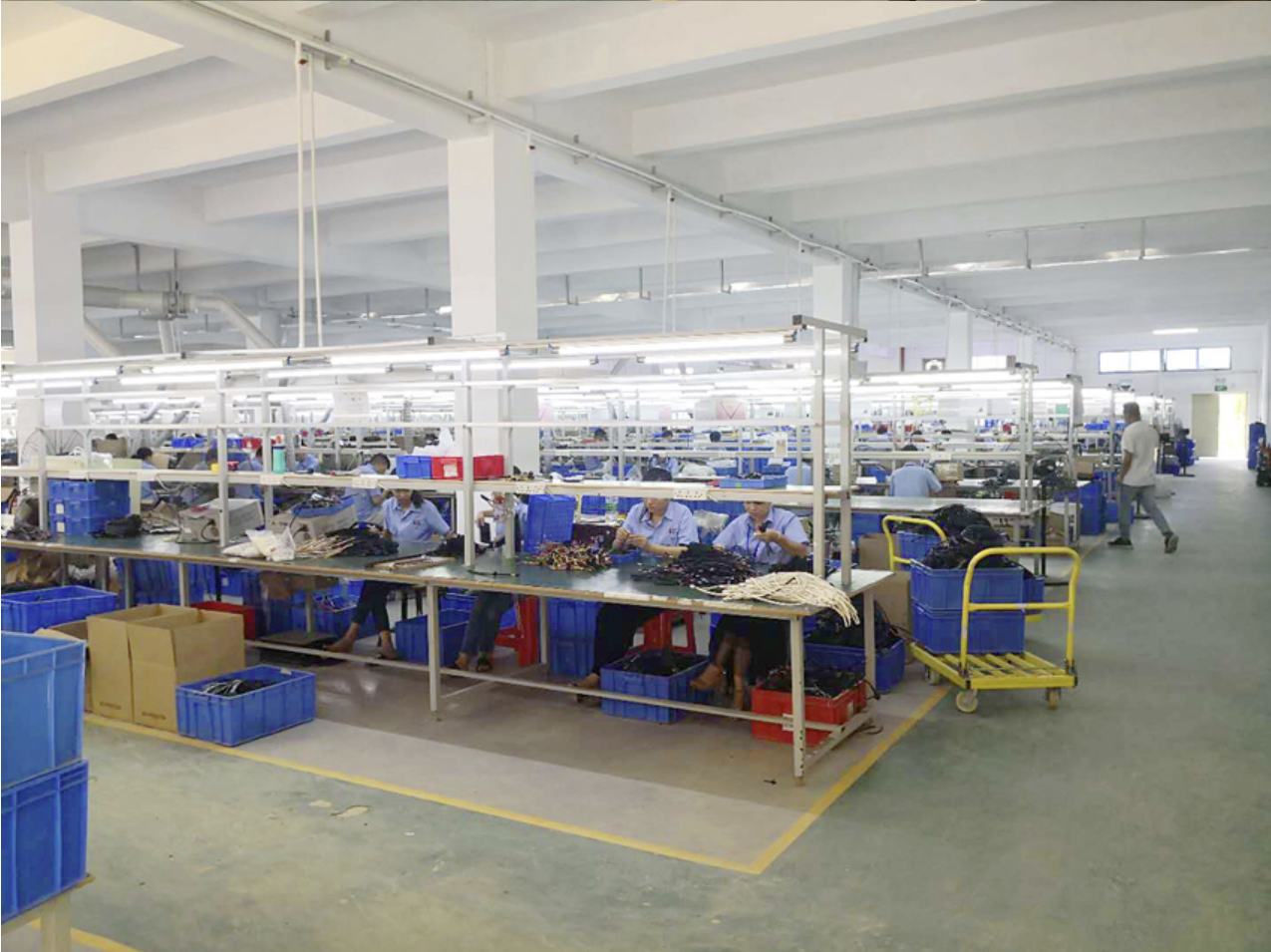
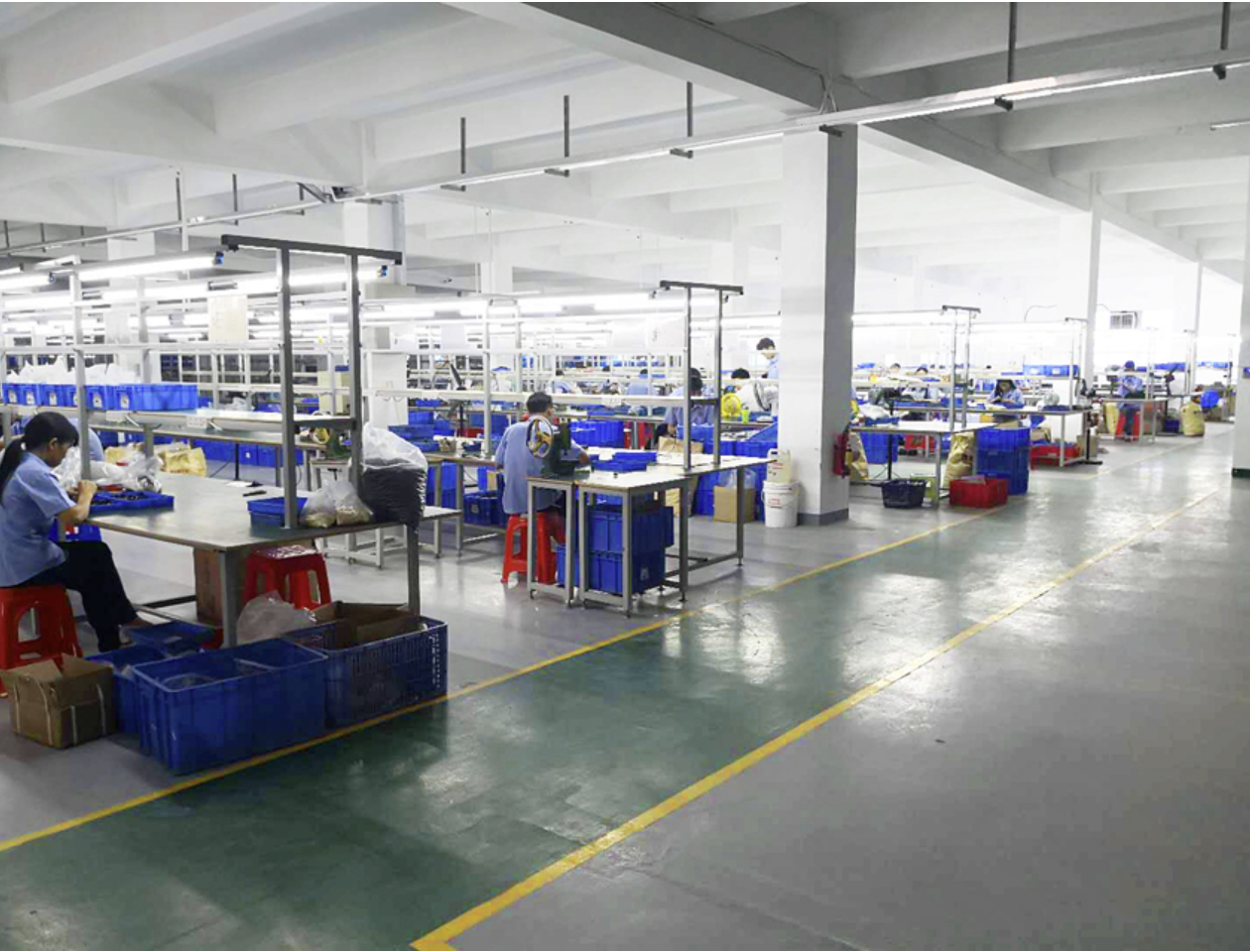
Molding, terminal assembly, and crimping
Potting, locking, O-ring and shell integration
Electrical check, FQC audit, packaging, and OQC shipment
Key quality checks include pin insertion force, mating gap control, molding completeness, lock depth, O-ring compression, electrical resistance, and final release integrity.
Flowchart C - Cable Harness Process and Control Nodes
Supplier and incoming verification
Cutting, stripping, and conductor preparation
Terminal crimping, tinning, and soldering
Harness forming, electrical validation, and FQC
Packaging release, OQC, and shipment archive
Harness control emphasizes cut length, strip length, conductor state, color and sequence consistency, crimp quality, solder quality, and validated electrical output.
Flowchart D - Quality Closed Loop and Release Governance
Standard file and process-definition baseline
First article confirmation and in-process patrol checks
Abnormal isolation and root-cause analysis
Corrective and preventive action (CAPA)
Re-verification release and batch traceability closure
Any abnormal trend must be linked to CAPA evidence, re-verification records, and release authorization data before normal shipment rhythm is restored.